
The Power of Bilingualism for Early Learners
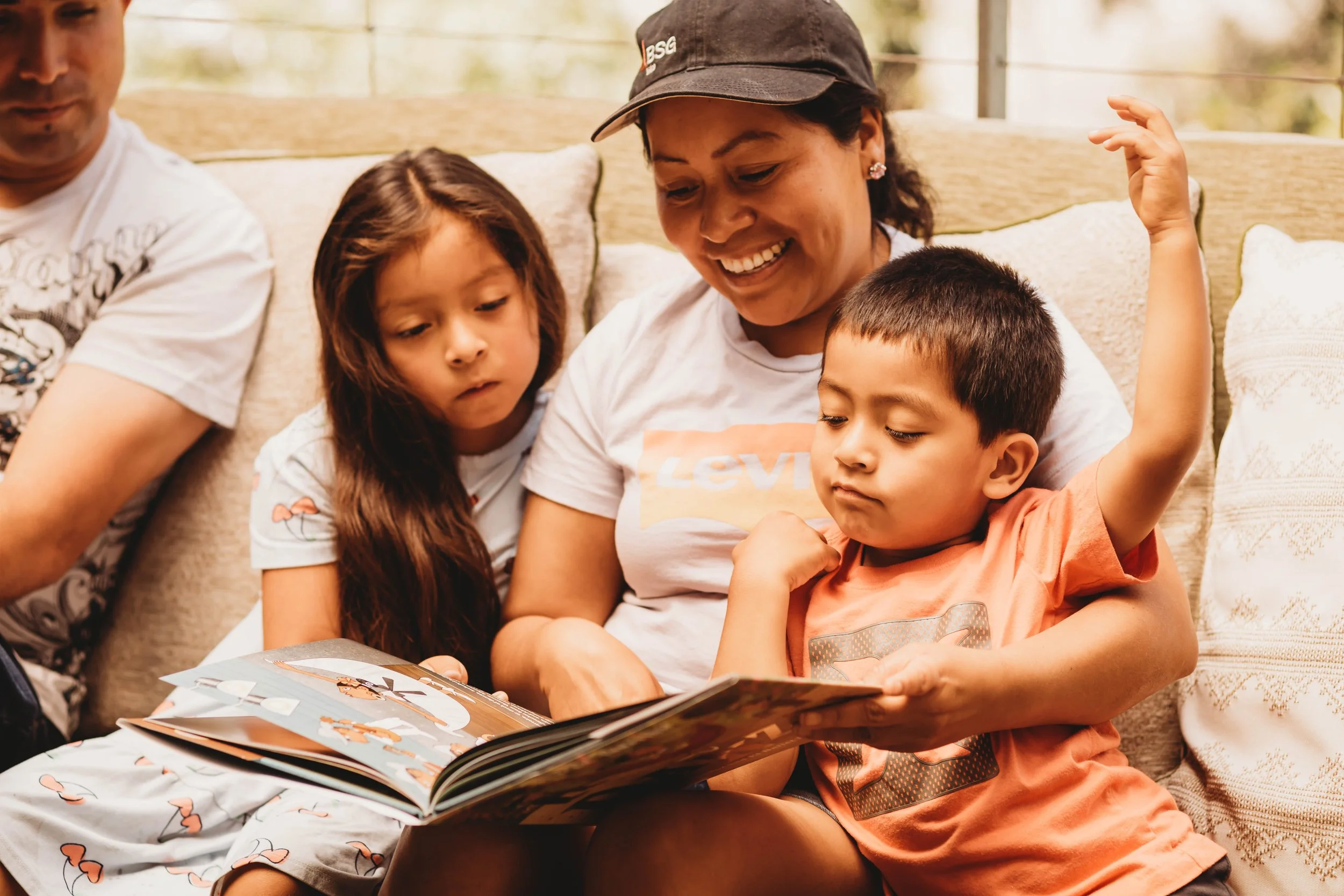
For decades, scientific studies have linked bilingualism not only to language development but to broader cognitive and social benefits. Children who grow up using more than one language often show increased mental flexibility, improved memory, and enhanced problem-solving skills. Studies also suggest that bilingual learners develop stronger “metalinguistic awareness,” or an understanding of how language works, which can support reading and academic success over time. These benefits are especially meaningful for children growing up in multicultural, multilingual communities like ours.
“Research consistently shows us that bilingual environments support cognitive development, strengthen communication skills, and improve academic outcomes,” explains Caroline Rodrígues González, Corazón’s Early Childhood Development Coordinator. Multiple studies published through the National Institutes of Health have found that bilingual children often demonstrate stronger attention, task-switching, and executive function skills, abilities that are critical for learning and problem-solving—“particularly for young learners navigating multiple cultural contexts,” adds Caroline.
At Corazón, we see these research findings come to life every day through our early childhood and family programs. Initiatives like our Libros y Raíces family literacy program create joyful, bilingual spaces where children and caregivers come together around storytelling, cultural traditions, and early reading skills. Highly interactive and evidence-based, Libros supports children’s social-emotional development through child-parent engagement, hands-on multi-sensory activities, access to bilingual books, adopting effective reading at-home habits, and resources for parents.
What makes bilingual programming so impactful is that it doesn’t treat language as a barrier but as an asset. For many families, especially those navigating multiple cultural identities, bilingual spaces affirm that their language, culture, and experiences belong.
“This sense of belonging is foundational to learning,” notes Caroline Rodrígues González. “When children feel seen and valued, they are more confident, more engaged, and more ready to thrive.”
Bilingual environments also strengthen family connections. Parents and caregivers are able to participate more fully in their children’s development when programming reflects the languages spoken at home. Whether reading a story together, cheering on a race, or sharing a conversation, these moments build bridges between generations and reinforce the idea that learning is a shared journey.
At Corazón, we’re proud to invest in programs that reflect both scientific research and community wisdom. In the end, bilingualism is so much more than speaking two languages. It’s opens doors, expands possibilities and honoring the richness of our families and community.
